
.webp)
A good idli is not a given. Neither is a crisp dosa. Both are entirely dependent on one thing you don't see: the batter. And most store-bought batter is where that story quietly falls apart.
There's a version of idli-dosa batter that comes in a plastic tub and smells faintly of something you can't place. It works, technically. You get something that resembles an idli. It's just not the kind of idli that makes you want a second one. The dosa crisps unevenly. The fermentation feels flat. Something is missing — and what's missing is usually the process.
The Noice Idli Dosa Batter is built differently. Here's what that actually means.
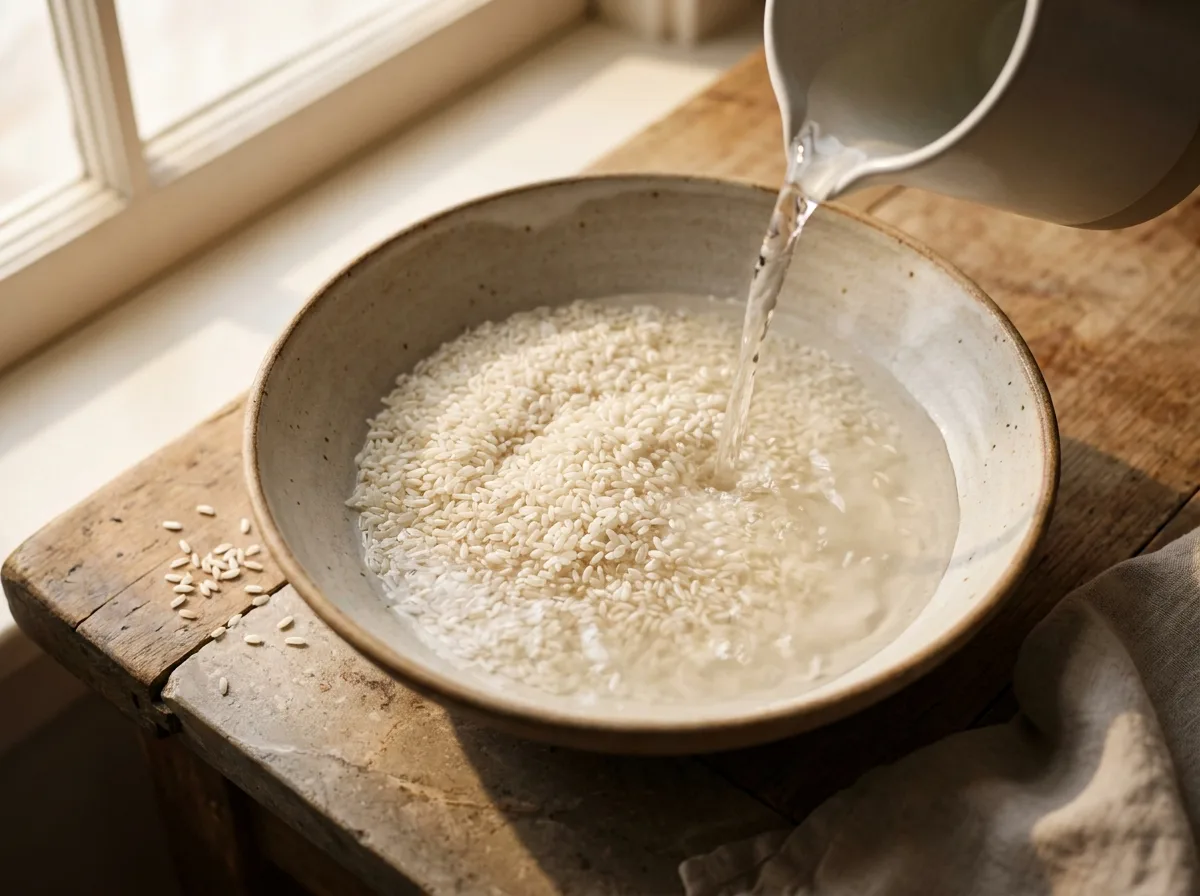
Before anything else happens, the rice gets washed. Seven times. Each wash removes excess surface starch and impurities that would otherwise interfere with fermentation and muddy the final flavour.
This is the kind of step that's easy to skip when you're making batter at volume. We don't skip it. Cleaner rice means cleaner fermentation. Cleaner fermentation means the idli tastes like it should — light, slightly tangy, with nothing in the way.
Rice and urad dal get ground separately. This matters because they need to reach completely different textures — the dal needs to be aerated and fine, the rice needs to hold some grain texture. If you grind them together, you're compromising both. One ends up too coarse, the other too dense.
Only once each has reached its ideal consistency are they brought together. It's an extra step that most mass-produced batter skips entirely. It's also the reason the final batter has the right structure for both idlis and dosas — two completely different textures from one batter.
Idlis want airy and soft. Dosas want crisp and golden. Getting both right from the same batter is a process problem. We solved it by not cutting corners in the grind.
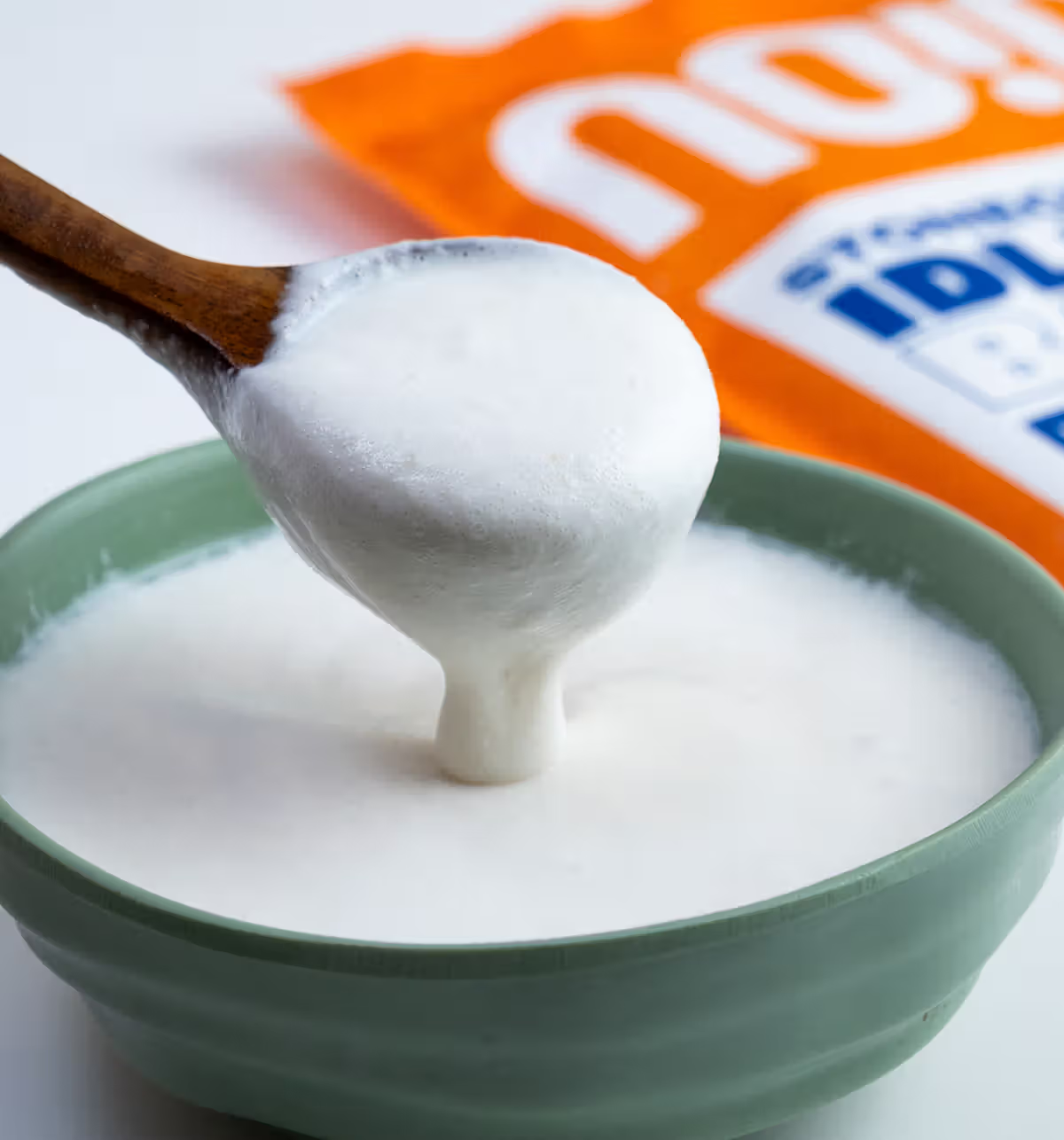
The grinding itself is done using a traditional stone-grinding process in small, controlled batches. Stone grinding generates significantly less heat than high-speed mechanical alternatives.
That heat difference is the point. Lower grinding temperatures preserve the natural properties of the rice and dal — particularly the enzymes and starches that drive fermentation. Batter that's been heated during grinding ferments poorly. Batter that's been ground cool ferments the way it should: actively, evenly, and with real flavour development.
Fermentation isn't a step you can rush or fake. It's what transforms a raw grain mixture into something that tastes alive. Good fermentation gives idlis their characteristic lightness — the batter traps air, expands in the mould, and steams into something soft and structured. It gives dosas their tang and their ability to crisp evenly without tearing.
Bad fermentation — from overheated batter, unclean ingredients, or shortcuts in the grind — gives you flat idlis and dosas that stick to the pan. You've eaten that version. It's fine. It's just not what this is.
Whether it's a weekday breakfast, a lazy Sunday spread, or a plate of idlis your kids will actually finish — the batter is where it starts. Get that right and everything else follows.
Stone ground, seven-wash rice, traditionally fermented. The batter that does what batter is supposed to do.
Order on Instamart →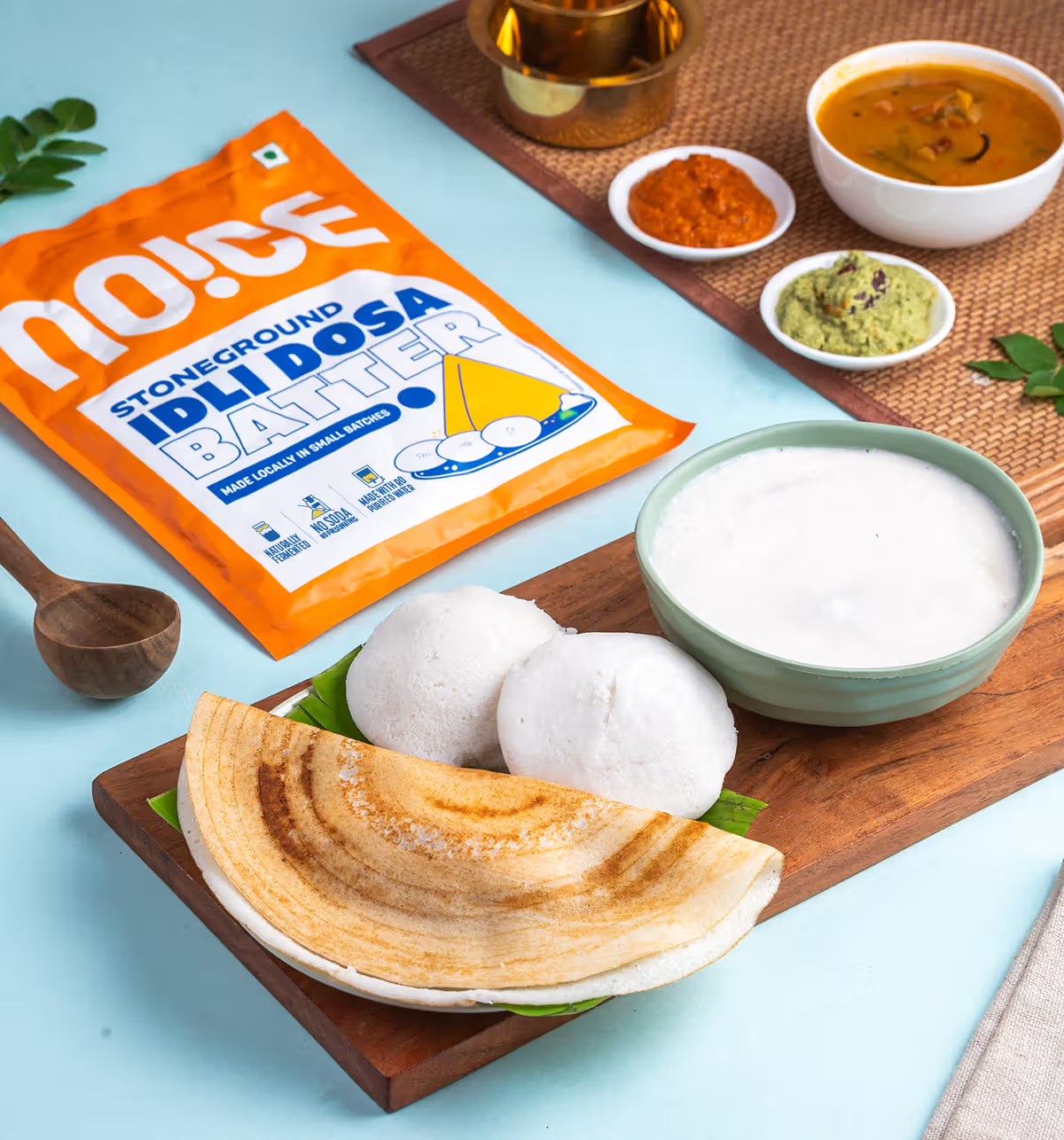
Noice Idli Dosa Batter — on Swiggy Instamart. Fresh, traditionally made, delivered to your door.
Order Now →