
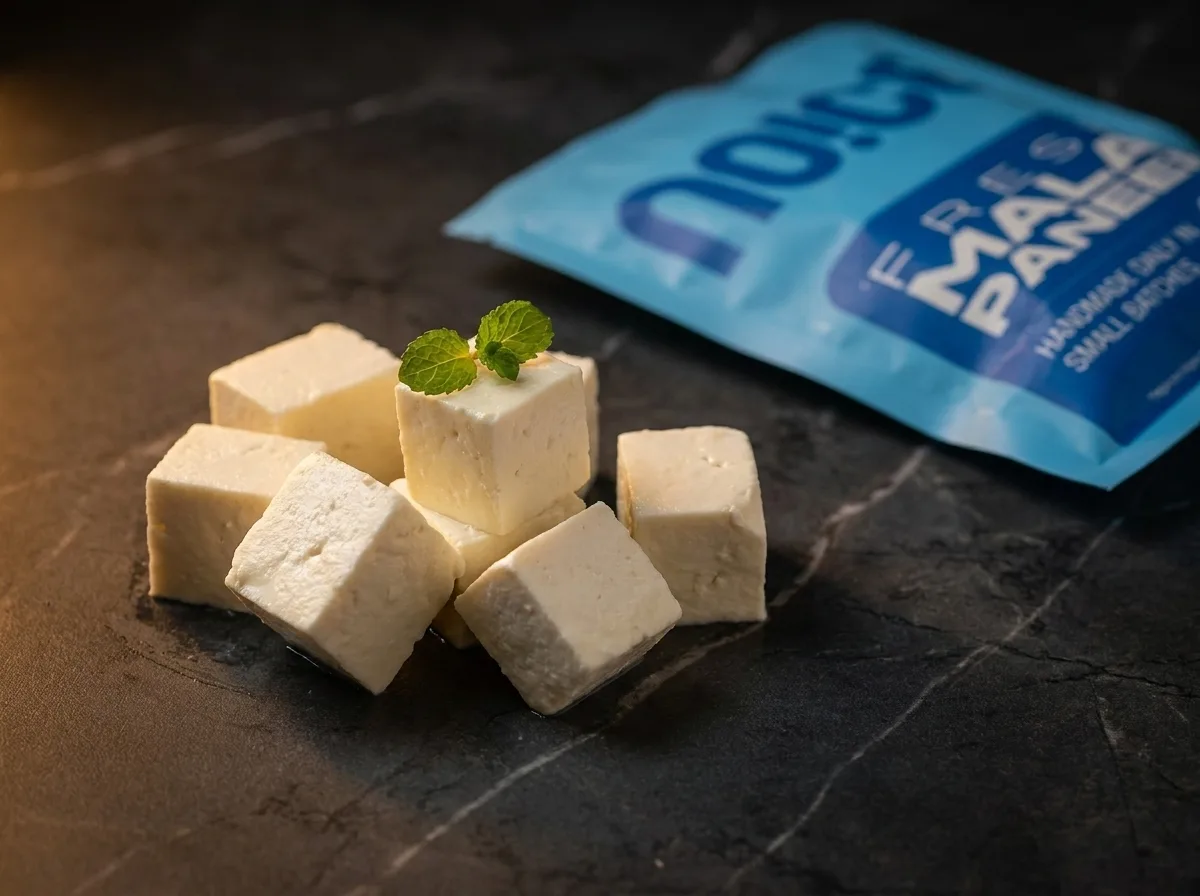
Most food gets made at the speed of a factory. Ours doesn't. Here's what actually goes into making Noice — starting with the product that probably says it best: our Fresh Malai Paneer.
There's a version of paneer most of us have met at some point — the rubbery kind that squeaks when you cut it and turns into a chew toy the moment it hits a hot pan. It does the job, technically. But it doesn't do what paneer is actually supposed to do: absorb flavour, hold its texture, melt slightly at the edges, taste like it came from somewhere real.
The gap between those two versions of paneer is a process gap. And it's the kind of gap that only shows up when you decide to care about how something is made — not just what it costs to make it.
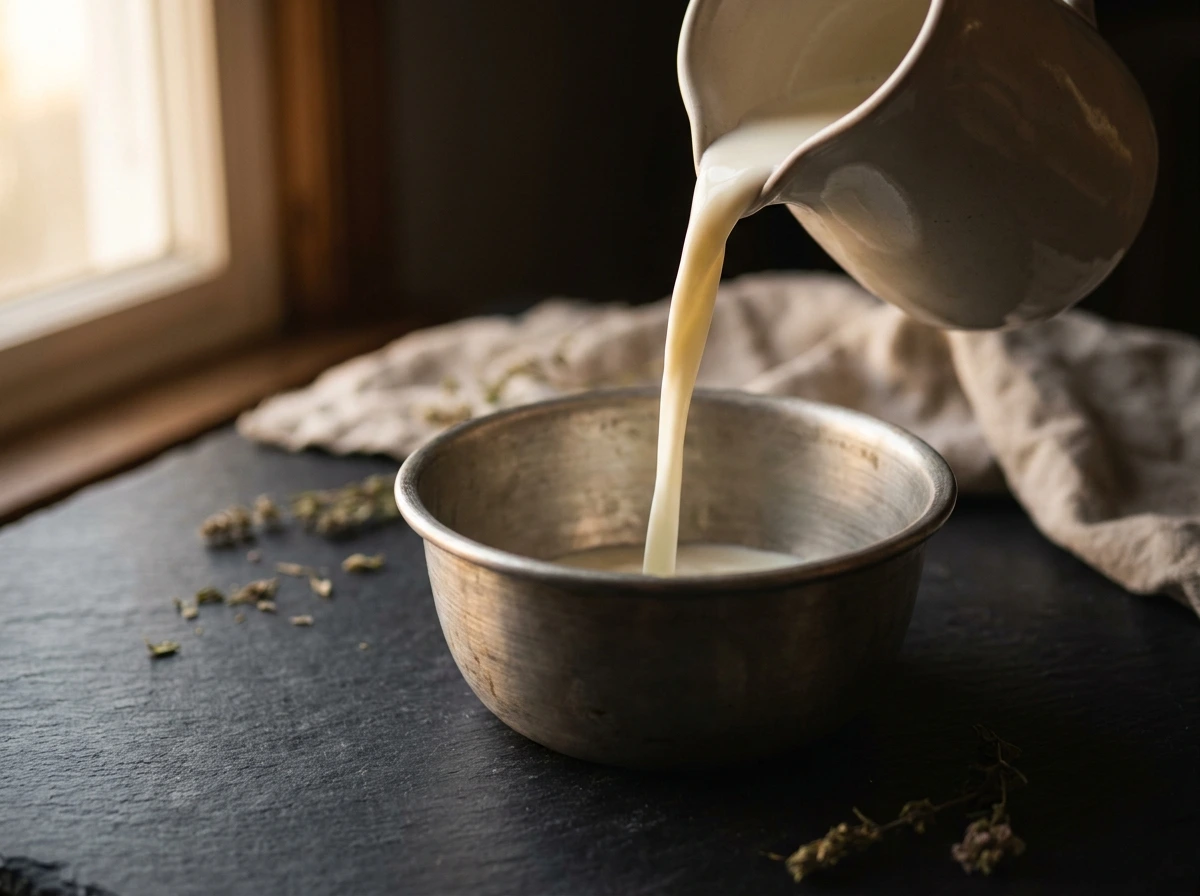
Fresh paneer begins with fresh milk — not milk that's been sitting around waiting to be useful. Our process starts with daily milk collection, ensuring the natural fat content is right where it needs to be for that creamy, malai-forward texture.
Fat content isn't a nice-to-have. It's what gives paneer its mouthfeel. Get that wrong at the start and no amount of process refinement fixes it later.
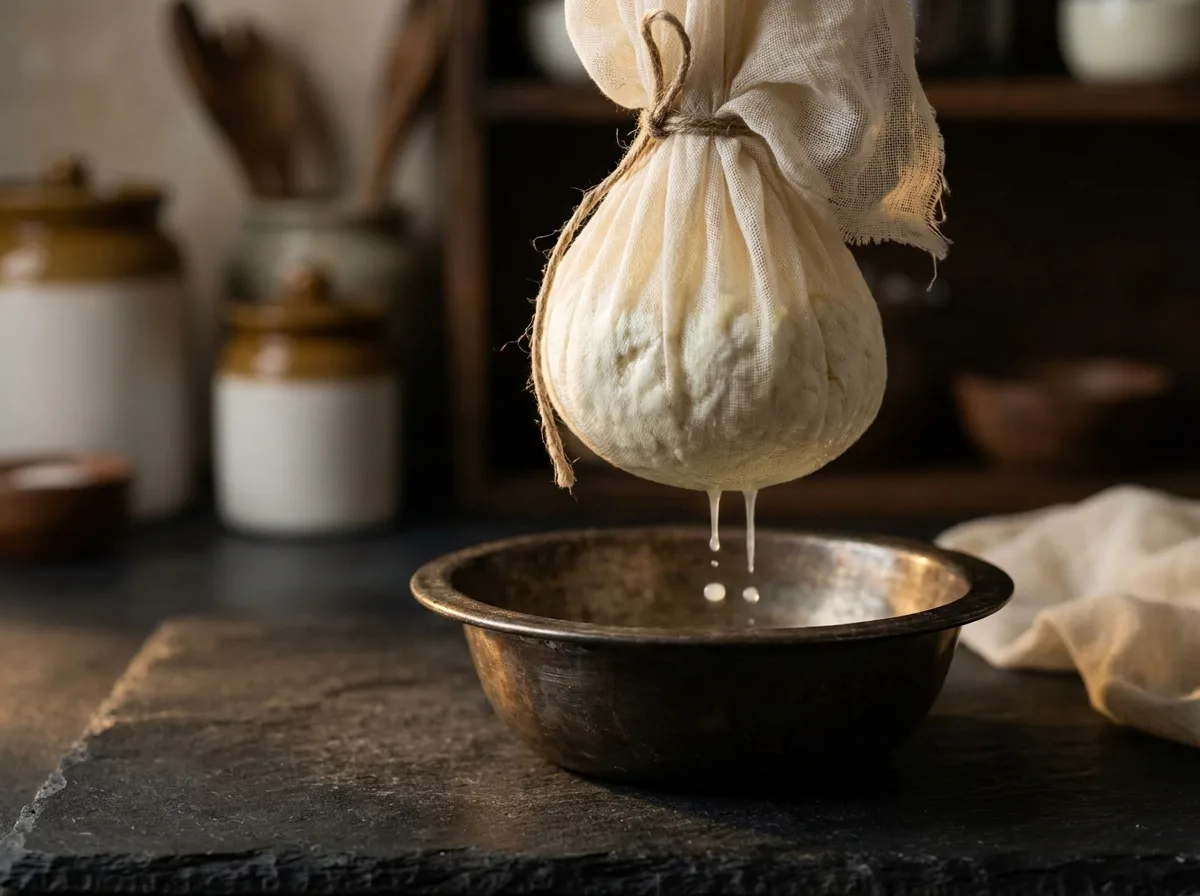
Once the milk is carefully coagulated and the curds form, they go into a muslin cloth. Old school. Unhurried. The whey separates naturally — no aggressive pressing, no mechanical force trying to speed things up.
This matters more than it sounds. When you press paneer too hard, too fast, you squeeze out the moisture that gives it softness. You end up with a denser block that holds its shape on a shelf but loses it the moment it needs to do any actual cooking. We drain slowly, on purpose. The result is a paneer that stays tender — structured enough to hold in a gravy, soft enough to actually enjoy eating.
Slow drainage isn't inefficiency. It's what separates paneer that cooks well from paneer that just survives cooking.
When the paneer is ready, it gets hand-cut. Which means the edges aren't perfectly uniform. The pieces are close, but not identical. If you've ever bought paneer from a local dairy you trust, you know exactly what this looks like.
That slight visual imperfection is a feature, not a flaw. It's what small-batch, hands-on preparation actually looks like when no one is trying to hide it. Machine-cut uniformity is the aesthetic of volume. Hand-cut is the aesthetic of care.
All of that process — the fresh milk, the muslin cloth, the gentle drainage, the hand-cutting — shows up in how the paneer actually performs when you cook with it.
This is what small-batch means in practice. Not a marketing line on a pack — a set of decisions made earlier in the process that change what ends up on your plate. Slower, more considered, and more expensive to do. Worth it, we think.
Small-batch made, malai-forward, hand-cut. The paneer that actually behaves when you cook with it.
Order on Instamart →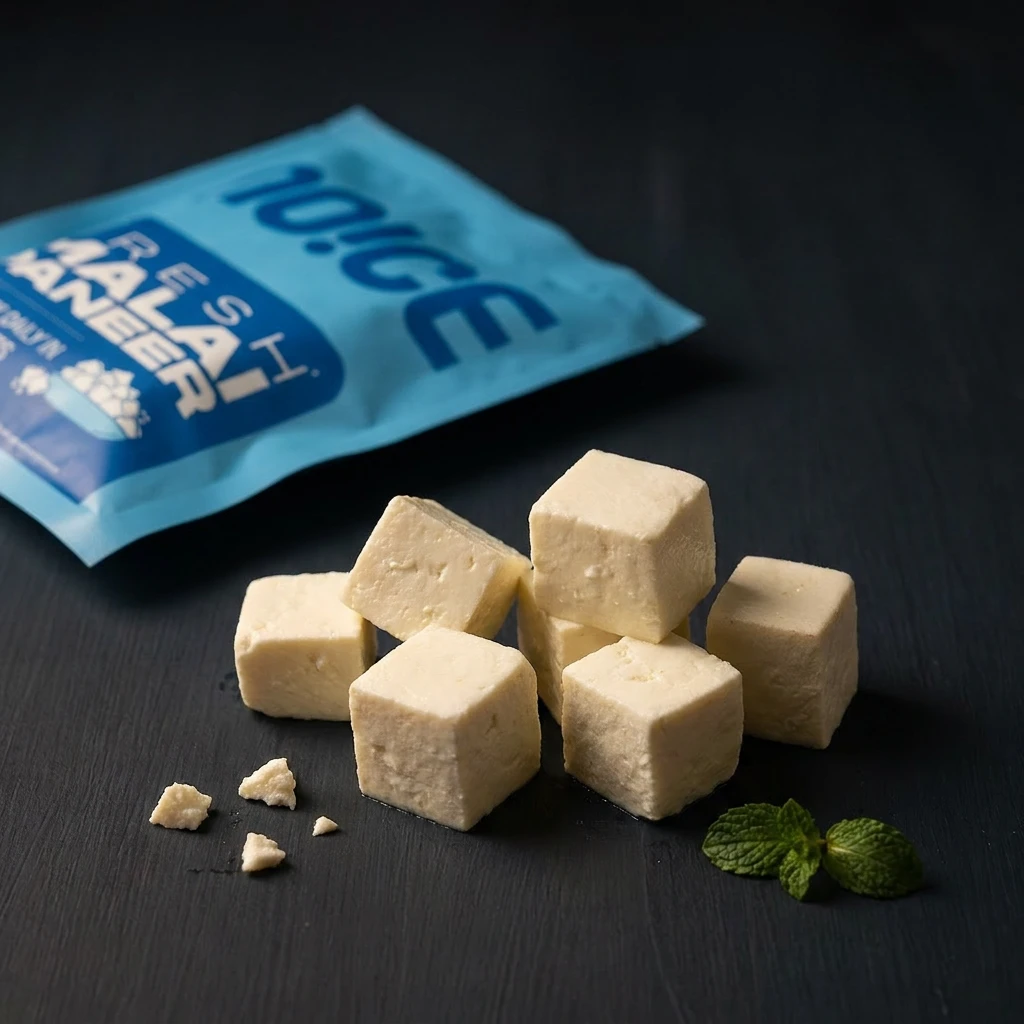
Noice Fresh Malai Paneer — on Swiggy Instamart. Delivered fresh, made right.
Order Now →